
Story By Linda Makau.
GENEVA, August 2025 — The fight against plastic pollution has reached a defining moment. Delegates from 184 countries, industry representatives, and civil society actors have gathered at the United Nations Intergovernmental Negotiating Committee (INC-5.2) in Geneva to hammer out a legally binding treaty aimed at ending plastic pollution.
Plastic waste has seeped into every corner of the planet from the depths of the Mariana Trench to Arctic ice cores causing profound harm to biodiversity, human health, and climate stability. The scale is staggering: global plastic production is projected to reach over 1.1 billion metric tons annually by 2050, compared to just 2 million in the 1950s. The plastics sector already accounts for nearly 4% of global greenhouse gas emissions.
The negotiations in Geneva are intended to finalize the treaty’s core provisions ahead of the official deadline later this year. But the process is mired in sharp disagreements.
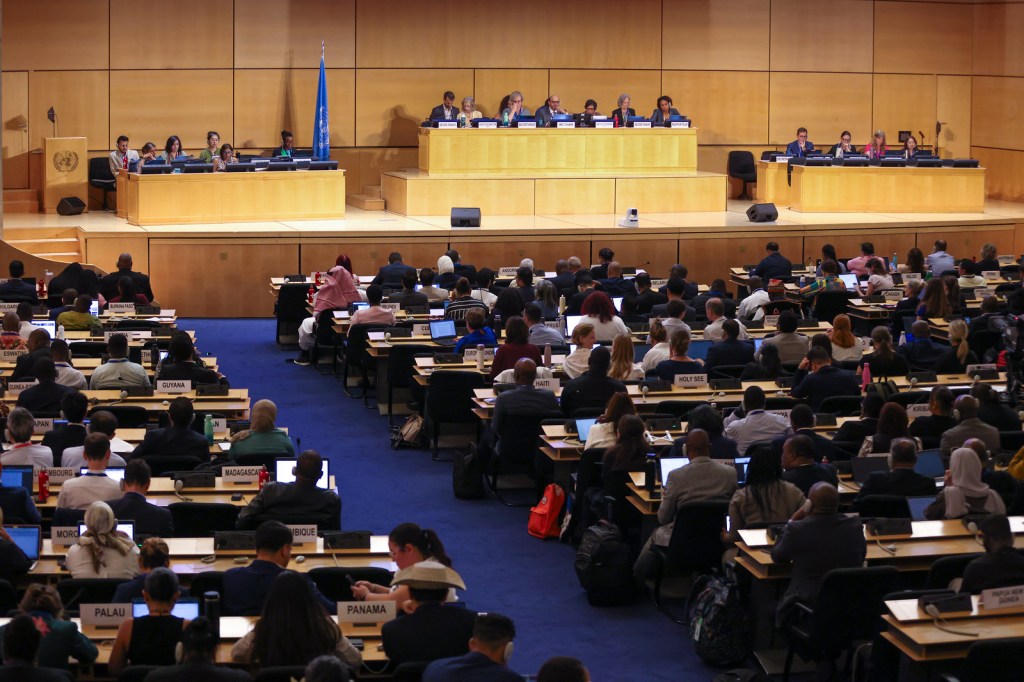
A coalition of over 90 nations, supported by major consumer brands, is pushing for mandatory caps on virgin plastic production, framing it as the only way to meaningfully reduce waste and emissions. On the other side, several large petrochemical-producing nations including the United States are resisting production caps, advocating instead for voluntary measures focused on recycling, product design, and waste management.
Civil society organizations warn that the treaty risks being watered down by powerful industry interests. Over 200 lobbyists linked to the fossil fuel and petrochemical sectors are present at INC-5.2, promoting language that could weaken obligations and shift responsibility away from producers.
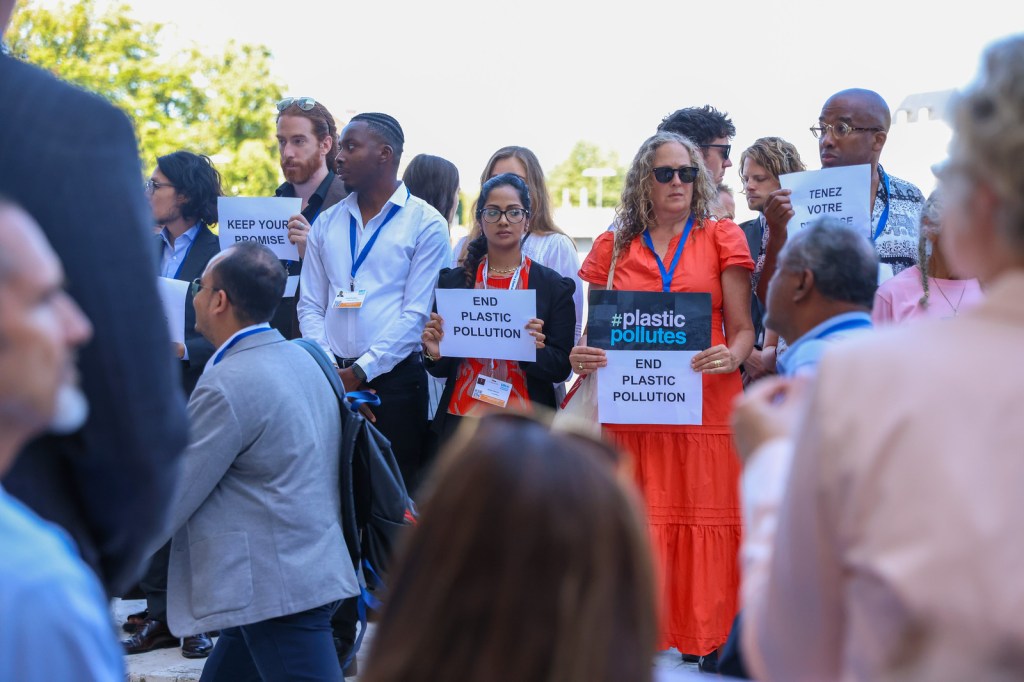
While public debate often frames plastic pollution as a marine debris problem, its climate implications are profound. Plastics are made from oil and gas essentially solid fossil fuels. From extraction to production, plastics release significant greenhouse gases. If left unchecked, emissions from plastics could consume up to 19% of the global carbon budget for keeping warming below 1.5°C by mid-century.
This link transforms plastic pollution from an environmental nuisance into a climate security threat. Rising emissions accelerate climate change, which in turn disrupts weather patterns, reduces water security, and heightens risks of social instability especially in vulnerable regions already burdened by pollution.
The Road Ahead
If the treaty succeeds in embedding production limits alongside strong waste management obligations, it could simultaneously reduce pollution and cut emissions making it a rare double win for planetary health and climate stability. However, the political reality is that without significant concessions, the final text could fall short of this ambition.
As negotiations enter their final days in Geneva, the question remains: Will world leaders seize this chance to align plastic pollution control with climate action, or will the outcome be another compromise that delays real change?

 ACPSS 2024
Leave a comment